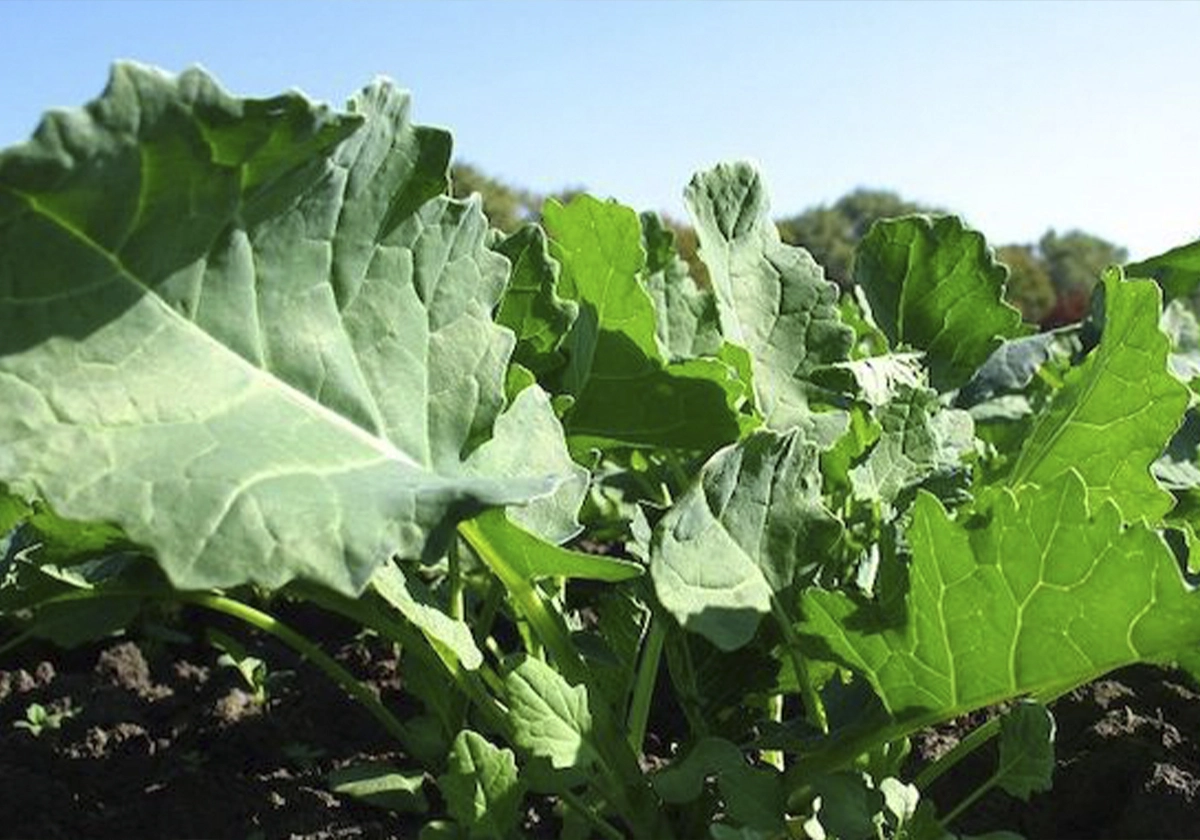
Winter rapeseed remains one of the most profitable crops in agribusiness. However, its high profitability requires appropriate investments in protection and care. The key factor in the final yield is successful overwintering, which completely depends on whether the plant receives proper nutrition in the fall.
Why does the deficiency of elements in the autumn period occur?
Even with the presence of fertilizers in the soil, plants often suffer from their deficiency due to a combination of adverse factors:
Lack of moisture: The soil solution is the main conductor of nutrients. During autumn droughts, plants simply cannot absorb substances from the dry soil layer.
Temperature fluctuations: When the soil temperature drops below 10 °C, the mobility of elements drops sharply. Late and underdeveloped crops are especially vulnerable to cold weather.
Soil pH deviation: If the acidity exceeds the optimum (6–7 pH), the absorption of nitrogen, phosphorus, potassium, sulfur and boron is blocked.
When these factors overlap, the only effective solution is fractional foliar (foliar) fertilization.
Autumn nutrition elements: what, when and why to apply
Boron (B) – protection against hollowing and sugar accumulation: Since boron is not able to redistribute within the plant, it should be applied in advance. The first treatment of boron microfertilizers is carried out in the 4–6 leaf phase on early crops to strengthen the root system and prevent cracking of the root collar. If the plants continue to grow actively, the treatment is repeated in the 8+ leaf phase.
Phosphorus (P) – root stimulation in cold conditions: When the temperature drops below 10 °C, the leaves acquire a reddish-purple hue. Foliar application of phosphorus at this time relieves stress and stimulates further growth of the root system.
Magnesium (Mg) and Sulfur (S) — photosynthesis and nitrogen assimilation: Magnesium activates photosynthesis and accelerates the accumulation of sugars, and also helps the absorption of phosphorus. Sulfur is needed for protein synthesis and optimization of nitrogen metabolism (in autumn, rapeseed absorbs 20–25% of the total sulfur norm).
Nitrogen (N) — a balanced approach: Excess nitrogen in autumn is dangerous, as it causes excessive growth of vegetative mass and elongation of the growth point. It is used moderately and only on weak or late crops with obvious signs of starvation.
Properly planned autumn foliar feeding forms a powerful root, prevents elongation of the growth point and accumulates sugars. This guarantees high winter hardiness of rapeseed and provides a powerful start for maximum yield in spring.