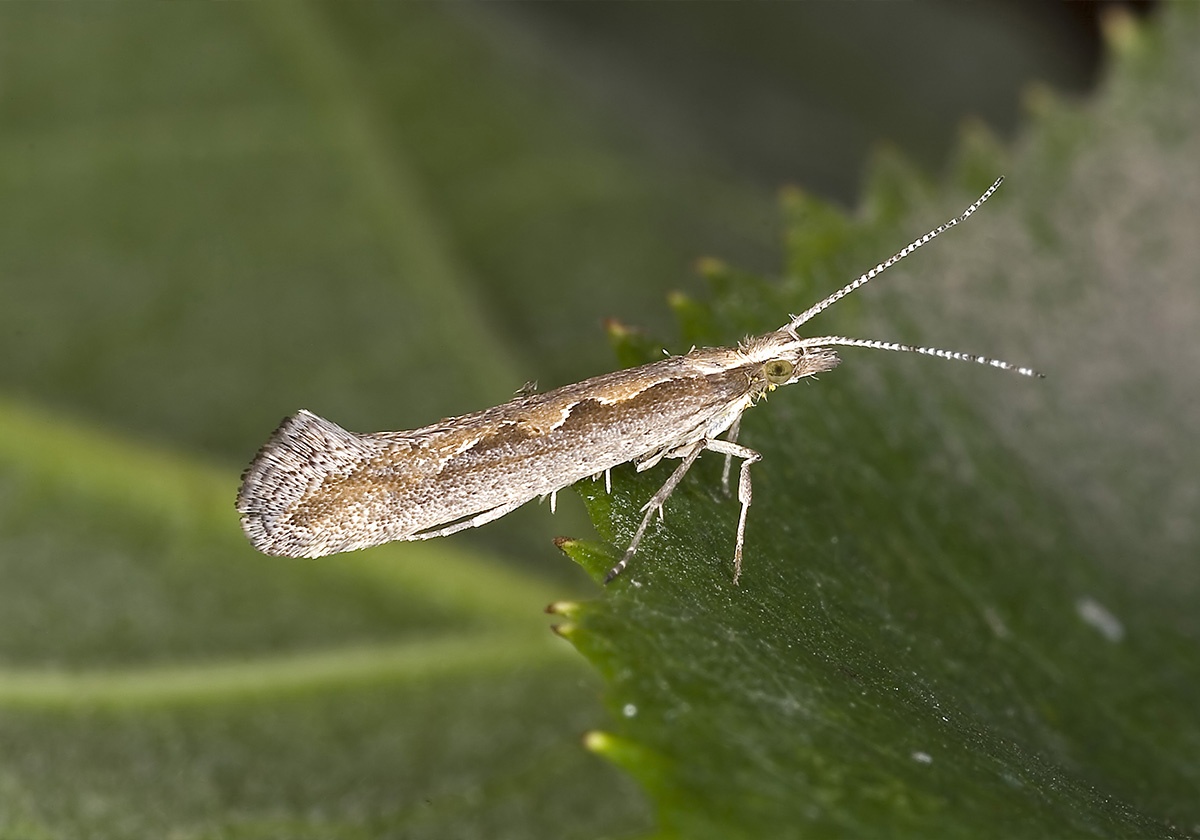
The cabbage moth is one of the most dangerous pests affecting rapeseed, cabbage and other crops in the Brassicaceae family. When it proliferates on a large scale, it is capable of damaging a significant proportion of the foliage in a short space of time, which adversely affects plant growth and future yield.
Effective control of the cabbage moth cannot be achieved with a single treatment. Only a comprehensive approach, combining monitoring, prevention and the timely application of plant protection products, allows for reliable control of the pest population.
When is the best time to control the cabbage moth?
Young caterpillars are most vulnerable to insecticides. It is during this period that they feed actively, mainly on the underside of the leaf, but have not yet had time to cause significant damage to the plants.
If treatment is delayed until the caterpillars have reached later stages, the effectiveness of most products is significantly reduced, and crop losses may increase.
This is why regular inspection of crops is key to successful control.
Which products are used against the cabbage moth?
To control the pest, contact-intestinal and systemic insecticides authorised for use in Ukraine are employed. The choice of product depends on the pest population, the crop’s growth stage and weather conditions.
Active ingredients used against the cabbage moth include:
- alpha-cypermethrin;
- esfenvalerate;
- diflubenzuron;
- teflubenzuron;
- propargite;
- other active ingredients registered for the relevant crop.
Treatments must be carried out in accordance with the application regulations and the manufacturer’s recommendations.
How to avoid resistance?
The cabbage moth rapidly develops resistance to insecticides, particularly with repeated use of products with the same mode of action.
To maintain the effectiveness of protection, it is recommended to:
- alternate between products from different chemical groups;
- avoid using the same active ingredient several times in succession;
- adhere to the recommended application rates and timing.
This approach significantly reduces the risk of resistance developing within the pest population.
Prevention of the cabbage moth
Preventative measures help to significantly reduce the pest population before it begins to proliferate.
The main agronomic measures include:
- destruction of post-harvest plant residues on which the cabbage moth overwinters;
- deep autumn ploughing;
- systematic control of weeds from the Brassicaceae family;
- regular monitoring of crops throughout the growing season.
When should spraying be carried out?
The economic damage threshold is reached when approximately 10 per cent of plants are infested and the pest population exceeds 4–5 caterpillars per plant.
It is during this period that it is advisable to apply biological control agents or insecticides. Timely treatment helps prevent the mass reproduction of the cabbage moth and significant crop losses.
Controlling the cabbage moth requires a comprehensive approach. Regular crop inspections, preventative agronomic measures, the timely application of insecticides or biological control agents, and the rotation of active ingredients help to effectively control the pest and minimise its negative impact on the crop.