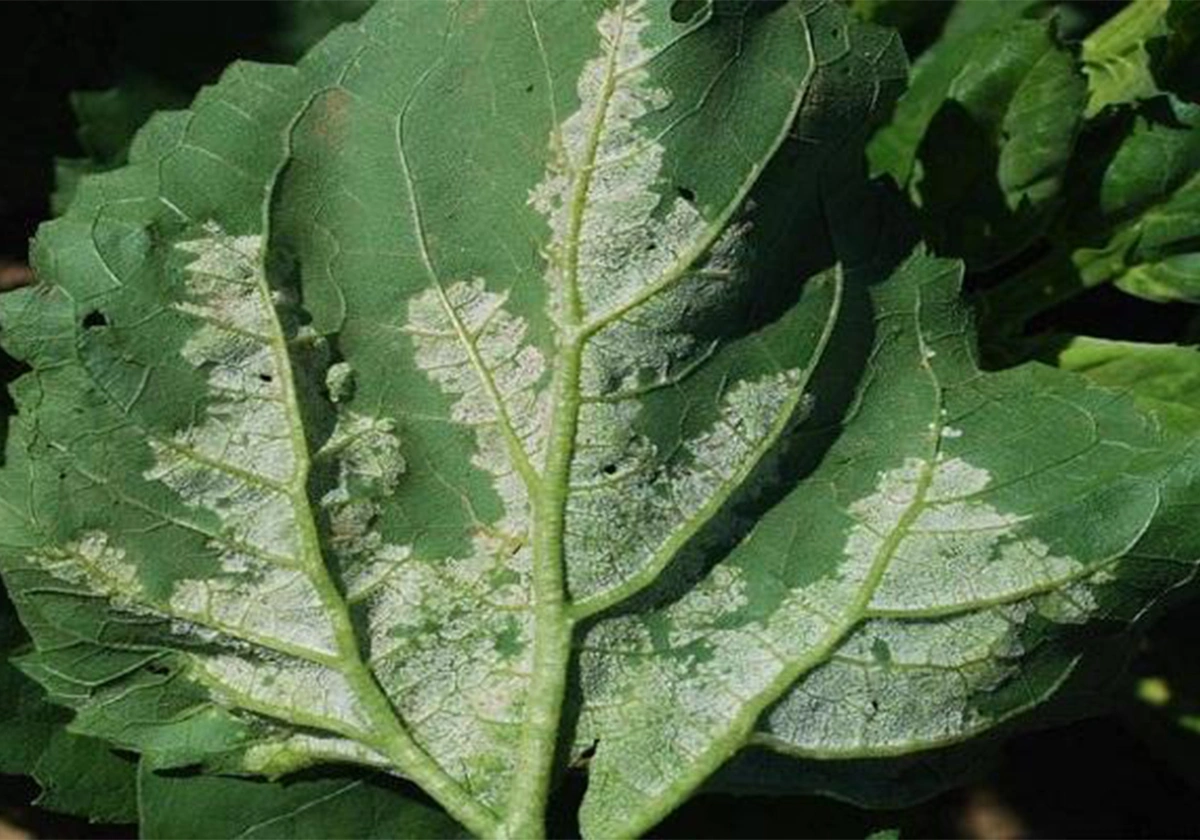
Downy mildew remains one of the most dangerous diseases affecting Ukrainian sunflower fields. Infection with this disease can instantly destroy up to half of the potential yield of this oilseed crop. The disease affects crops diffusely, causing stunted stems, chlorosis of the leaves with a characteristic white coating, and hollow flower heads. To protect their investments, farmers need to clearly understand the risk factors and take proactive measures.
Key risk factors and symptoms of downy mildew
Several critical factors contribute to the development and spread of the disease. Firstly, cool and rainy weather after sowing and in the second half of summer, which activates spores in the soil. Secondly, a significant outbreak of infection is triggered by a reduction in the sunflower rotation period within the crop rotation (less than 8 years). The pathogen also proliferates due to breaches of agronomic soil management practices.
Comprehensive control measures: from crop rotation to fungicides
Effective control of the pathogen is based on strict preventative measures and timely chemical treatment. The main control measures include growing resistant varieties and hybrids, as well as sowing thoroughly cleaned, sorted and treated seeds. Equally important is the removal of volunteer plants, maintaining spatial isolation and growing sunflowers in a crop rotation system, with the crop returning to the same field no earlier than after 8 years.
As for chemical control, during the growing season, at the first signs of infection, highly effective carbendazim-based products are applied at a rate of 1.5 l/ha. To prevent resistance to the active ingredient, a strict maximum limit has been set: two treatments throughout the entire growing season.
Downy mildew does not tolerate mistakes in agricultural practices. Only a combination of proper 8-year crop rotation, high-quality seed treatment and targeted application of carbendazim guarantees the continued profitability of sunflower cultivation.