The success of growing high-yielding sunflowers begins long before the seeds get into the bag. Its foundation is laid directly in the hybridization areas, where each stage is controlled with surgical precision. Eurosem pays key attention to the geography and agrotechnology of growing its hybrids, providing farmers with seeds of the highest genetic purity.
Geography and strict agrotechnological control
Evrosem hybridization areas are deliberately concentrated in various soil and climatic zones of Ukraine – in the Central, Southern and Western regions. This allows not only to diversify the risks of weather vagaries, but also to adapt hybrids to the specific conditions of each region.
Parent lines are grown in strict compliance with international seed standards:
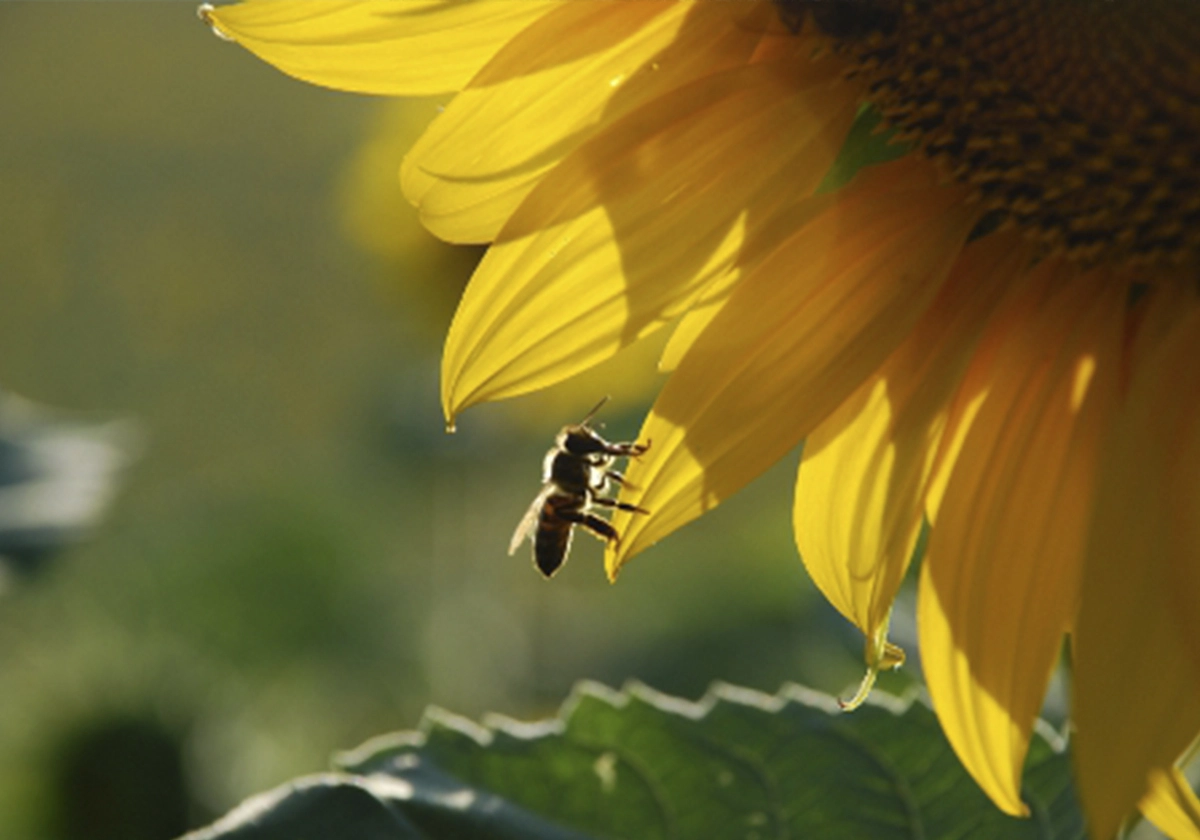
Spatial isolation: Hybridization fields are located at a safe distance from other sunflower crops. This completely eliminates unwanted cross-pollination and guarantees 100% genetic varietal purity of future seeds. Sunflower is pollinated by insects. To preserve the typicality of the hybrid, Eurosem cultivates hybridization plots at a distance of at least 1500 m from other sunflower and caraway crops to avoid pollen transfer from other crops.
Correct crop rotation: Sunflower is returned to the same field only after an optimal time interval. This prevents the accumulation of soil infections, phytopathogens and lupine seeds, ensuring a healthy start for the maternal and paternal lines.
Removal of atypical plants (specific and fertile weeding): Multiple visual and genetic inspections are carried out during the growing season. All plants with the slightest deviations from the varietal standard are removed manually. During the season, agronomists carry out at least 3 stages of negative selection. In the Evrosem hybridization field, all atypical, diseased, fertile, too tall or short plants are removed manually to guarantee 100% genetic uniformity of future seeds.
Why is the yield lower?
Many are surprised, but hybridization plots produce a smaller shaft than commercial sunflower. There are two reasons for this:
-Parental lines are genetically more delicate (the strength of heterosis will manifest itself only in the F1 generation in commercial crops).
-Part of the field (parental rows) is mowed after pollination and not harvested.
Field control: a visit to the Kyiv region to the Tor 7+ Sumo hybrid
The Evrosem agronomic department regularly carries out inspection visits to locations to assess the condition of crops directly in field conditions. Recently, the company’s team visited a hybridization plot in the Kyiv region, where one of the most popular hybrids is grown – Tor 7+ Sumo.
During the inspection, experts noted the excellent phytosanitary condition of the crops, high plant alignment and powerful flowering. Tor 7+ Sumo demonstrates high resistance to environmental stress factors and maximum alignment of baskets, which indicates perfect adherence to isolation and care technology at the hybridization stage.
Thanks to the combination of favorable locations, strict agronomic control and regular monitoring, Evrosem seeds receive the same powerful potential, which is subsequently converted into high yields in the fields of Ukrainian farmers.